
General procurement guidance; not a project-specific design approval.
Start with the parent sheet identity
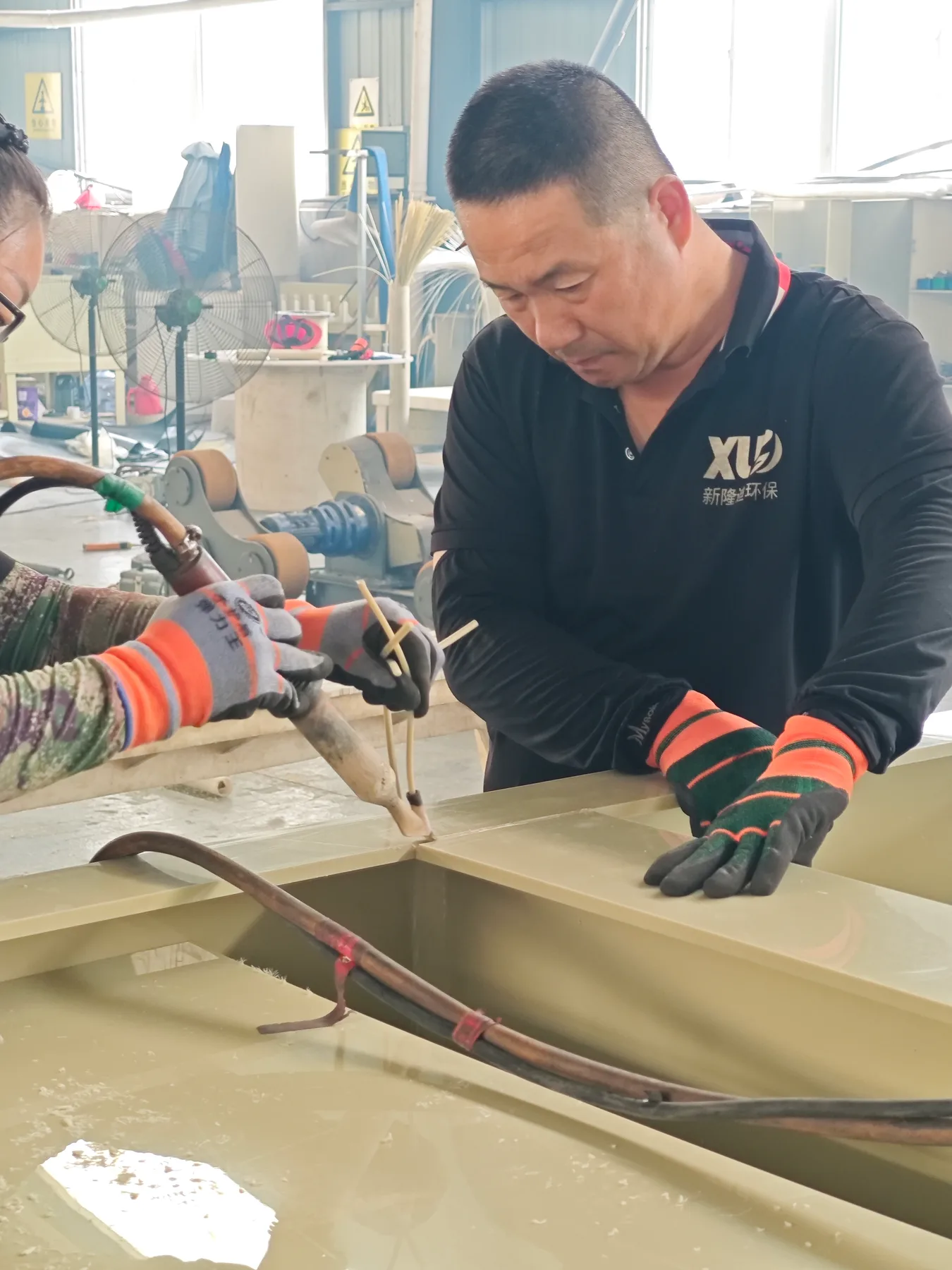
A welding rod should be specified against the sheet and the joint it will join. “PP rod for a PP tank” is not enough to establish that the materials are a suitable combination. Record the sheet manufacturer, exact material designation or grade, product form and the documents tied to the proposed supply.
The same care applies to PP and PPH terminology. XLD uses PP sheet and PPH sheet for the same sheet product in its business; that commercial naming does not identify a particular resin formulation for every project. Identify the offered grade and ask for the recommended joining material. See the PPH sheet page and Xin Longdi’s plastic welding and fabrication scope.
What the welding rod label can and cannot establish
Thermoplastic welding wire is sold in material families such as PE, PP, PVC and PVDF, with different commercial products within those families. Röchling describes rods intended to match its own sheet materials and provides a product-specific example: for its Polystone P homopolymer sheet, it recommends a PP-B rod for a stated welding application. That example is useful because it shows why buyers should request the proposed grade combination; it is not a general rule for all PP-H or PPH sheets and does not establish which rod XLD supplies.
SIMONA’s welding instructions also treat welding conditions as material- and process-specific. Their settings and product guidance apply to the listed SIMONA materials and methods. They should not be copied as XLD process settings or as a substitute for the proposed sheet manufacturer’s advice.
Colour, rod diameter and a broad polymer name help describe an item, but do not by themselves verify the commercial grade, compatibility with the parent sheet or suitability for the service. Ask the supplier to connect the rod identity to the sheet identity and the intended joining process.
Build a pairing check into the purchase request
Before approving a welded assembly, request a written material-pairing record with:
- Parent material: sheet manufacturer, grade or designation, form, thickness and the order or batch identifiers available.
- Filler material: rod manufacturer, exact designation, polymer type or grade, colour, cross-section and supply form.
- Compatibility basis: the manufacturer’s recommendation or other evidence for the specific sheet and rod combination. Note any limits on mixed grades or suppliers.
- Welding scope: joint locations, drawing revision, joining method and the party responsible for the procedure and workmanship.
- Service context: contents, concentration, cleaning agents, temperatures and mechanical conditions that the material review must consider.
- Acceptance records: identify the procedure, inspection or test records required by the project, who provides them and what the acceptance criteria are.
Request evidence that answers the project question. A data sheet identifies a product and reports its stated information; it is not automatically a qualification of a particular welded seam or finished tank. A sample is useful only when its material identity and purpose are recorded.
Keep process settings tied to the actual combination
Do not transfer a temperature, speed, air setting or weld preparation from a different polymer, product or process. The SIMONA instructions, for example, distinguish material and method and note circumstances that require consultation with equipment suppliers. That is a reason to request an applicable procedure, not a basis for publishing a universal setting.
Ask the fabricator to confirm the process proposed for the exact combination, the procedure or qualification evidence available, and how any production joint will be inspected. If the rod, sheet or drawing changes, route the change through the project reviewer before continuing. This guide does not specify welding settings, certify a welder or set tank acceptance criteria.
Questions to resolve before ordering
Use these questions when reviewing an offer:
- Does the quotation identify the sheet grade and welding rod separately?
- Who confirms that the rod suits the proposed parent sheet and process?
- Is the cited recommendation for this exact product combination, or only general product-family guidance?
- Are the drawing revision, joints, service conditions and design responsibilities clear?
- What records will accompany the parts, and how will any agreed inspection be accepted?
- What happens if a proposed grade or filler changes after approval?
If the seller cannot identify the rod or explain the pairing, keep the joint material open in the purchase review. Do not infer an approved combination from a colour match or the appearance of a sample weld.
Send the pairing question with the fabrication RFQ
Attach the drawing revision, parent sheet designation, service description and proposed fabrication scope. An inquiry can say: “Please identify the exact sheet and welding rod you propose for the attached assembly, provide the product-specific basis for this pairing, and list the welding procedure and inspection records included in your offer. Flag any substitution or unresolved approval before order acceptance.” This is an example format, not an XLD project record.
For Xin Longdi’s custom plastic fabrication inquiry, include the required material, joint locations, quantities, destination and supporting drawings. Review the existing PPH tank manufacturing guide when the inquiry concerns a tank body; it explains the confirmed forming scope and the separate need for project-specific design review.
Sources & scope
Discuss your application
Bring the material, dimensions and operating conditions. We will review the requirements for your project.
Request a Quote